Demystifying SMTP: How Secure Mail Transfer Protocol Keeps Your Emails
DataNudge
September 2023
Email communication is still a vital component of our personal and professional lives in the modern digital world. The security of our emails is crucial, whether we are transmitting private business information or sentimental letters to loved ones. The Simple Mail Transfer Protocol (SMTP) is used in this situation. The unsung hero who makes sure our emails are delivered securely and safely is SMTP. We will discuss what SMTP is, how it functions, and why it is essential for protecting the privacy and integrity of our electronic messages in this blog.
SMTP, What Is It?
An Internet communication protocol known as SMTP, or Simple Mail Transfer Protocol, is used to transmit and receive email messages over the Internet. It ensures that emails are correctly routed from the sender’s email client to the recipient’s mailbox, playing a crucial part in email delivery. The POP (Post Office Protocol) and IMAP (Internet Message Access Protocol) email protocols, along with SMTP, together form the backbone of email communication.
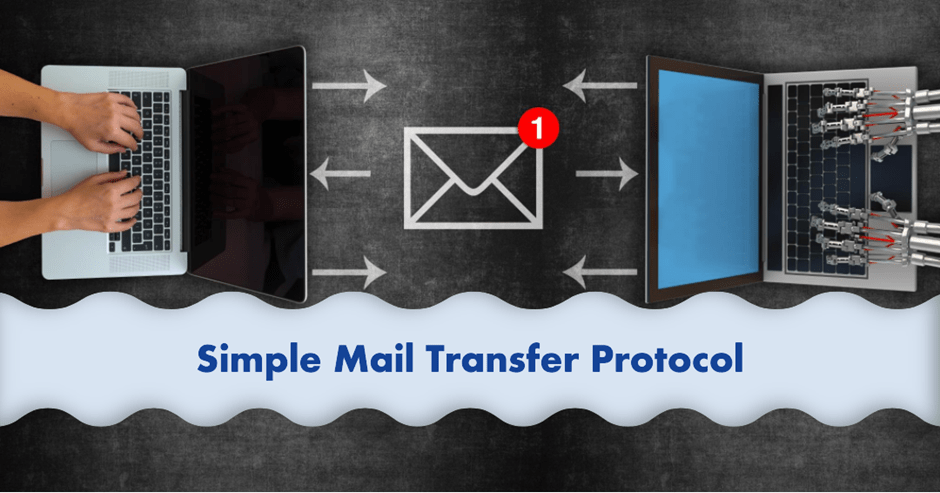
The Inner Workings of SMTP
SMTP provides several security tools including authentication and encryption to protect the confidentiality and integrity of email transmissions. The trustworthiness and security of email transmission are enhanced by SMTP’s robust internal operations. Email transmission between email servers is governed by a set of rules and procedures called SMTP. Here is a brief explanation of how SMTP works:
Sender’s Email Client: Using an email client like Outlook or Gmail, the user starts the procedure by composing an email. After writing the email and pressing “Send,” the email client connects to the SMTP server of the user’s email provider to start the sending procedure.
SMTP Server Authentication: The sender’s email client must submit the SMTP server login information to maintain security and avoid abuse. During the authentication process, it is confirmed that the sender is a legitimate user who has the right to send emails from the specified account.
Routing and Addressing: The SMTP server locates the recipient’s email server after successful authentication. It does this by asking the Domain Name System (DNS) for the IP address of the recipient’s email server. This process aids in proper email routing.
Email Transmission: The sender’s SMTP server connects to the recipient’s SMTP server after determining the location of the recipient’s email server. Typically, TCP/IP (Transmission Control Protocol/Internet Protocol) is used to establish this connection. The email message is subsequently transferred from the sender’s SMTP server to the recipient’s server.
Verification and Delivery: The recipient’s SMTP server runs several checks after receiving the email. It confirms the legitimacy of the recipient’s email address, looks for spam or malware, and makes sure that the email complies with SMTP requirements. The email gets put into the recipient’s mailbox if all checks are successful.
Retrieval: Using email client protocols like POP (Post Office Protocol) or IMAP (Internet Message View Protocol), the recipient can finally view the email from their mailbox.
Importance of SMTP
The crucial role that email communication plays in both our personal and professional lives means that SMTP security is of the utmost importance in the digital age. To protect the confidentiality of sensitive information, SMTP security is important. Sensitive information including bank records, private chats, and corporate strategy are frequently found in emails. Without sufficient security measures, hostile actors may intercept, read, or even modify these messages. To prevent data breaches and eavesdropping, SMTP communications should be encrypted using protocols like TLS (Transport Layer Security). This would shield people and organizations from the potentially disastrous effects of data disclosure.
For email systems to remain secure, SMTP security is essential. Unauthorized use or abuse of a person’s or an organization’s resources can result from unauthorized access to email accounts. Additionally, spam, phishing, and malware attacks frequently target email systems. Strong security features built into SMTP, like authentication and anti-phishing filters, help stop harmful email threats and unauthorized access. We can secure the credibility and dependability of email communication by strengthening the security of SMTP, which is crucial for conducting business, exchanging information, and protecting privacy in the digital age.
SMTP Components
Each of these components works together to make SMTP capable of securely and accurately delivering emails across the internet from the email server of the sender to the email server of the recipient. Certainly! SMTP is made up of several essential parts that function as a unit to streamline email message exchange. Here is a thorough explanation of each of these components:
Client (Sender):
The client, often known as the “sender,” starts the email-sending process. This could be a user sending emails using an email client or an app sending emails automatically. The email message is created by the client, who also sets the subject, message content, and recipient’s email address.
Message Queue:
After being written, the email is stored on the sender’s email server in a message queue. Outgoing emails are temporarily stored in the message queue. The queue’s messages are handled in a first-in, first-out (FIFO) manner. This makes sure that emails are sent in the order they were received.
SMTP Client:
The sender’s email server or the client’s device (such as a computer or smartphone) both run the SMTP client software. It is in charge of starting the email transmission procedure. The DNS (Domain Name System) address or IP address of the server is used by the SMTP client to connect to the recipient’s email server.
SMTP Server:
Email messages are sent from the sender’s server to the recipient’s server using the SMTP server, also referred to as the outgoing mail server. It is in charge of connecting to the receiver’s email server, confirming the address of the recipient, and sending the email. This is the server that houses the email account of the recipient. It receives incoming emails and holds them in the recipient’s mailbox until they are picked up by the recipient.
SMTP Commands:
SMTP uses a set of commands and answers to carry out communication between the sender’s SMTP client and the recipient’s SMTP server. HELO/EHLO (used to establish communication), MAIL FROM (specifying the sender’s address), RCPT TO (specifying the recipient’s address), DATA (starting the email transmission), and QUIT (ending the session) are examples of common SMTP commands.
Message Transmission:
The email message is transferred from the sender’s message queue to the recipient’s server after the SMTP server connects to that server. The communication is divided into tiny packets or chunks, which are sent separately and assembled on the server of the destination. The email is received by the recipient’s email server, which then scans it for spam, malware, and other security flaws before storing it in the recipient’s mailbox. Through their email program or a webmail interface, the receiver can access the email.

Benefits of SMTP
All of these benefits combine to make SMTP a fundamental protocol for email communication, enabling the quick, dependable, and secure transmission of messages over the Internet. It supports the contemporary email environment through its role in routing, dependability, and security. Certainly! Let’s delve deeper into the following SMTP benefits:
Reliability:
Email communications are reliably sent thanks to SMTP. An email is originally held in a sender’s email server’s queue when it is sent. The message is delivered using SMTP, which attempts to transmit it to the recipient’s email server. SMTP will retry the delivery if the recipient’s server is briefly down at predetermined intervals until the message is successfully sent or the sender’s server gives up after numerous failed attempts. For businesses and individuals who rely on email for communication, this dependability is essential since it assures that key communications won’t get lost in transit because of network problems.
Routing of Messages:
The intricate network of servers and domains that make up the worldwide email infrastructure requires the message-routing capabilities of SMTP. When you send an email, SMTP chooses the fastest route for the message to take to get to its intended recipient. To send the message to its intended recipient, it speaks with intermediate email servers, also referred to as Mail Transfer Agents (MTAs). Emails can travel across the internet, going through several servers and networks, yet still arrive at their intended recipient because of this routing.
Scalability:
SMTP can handle a huge volume of email messages at once and is very scalable. For email service providers, businesses, and organizations that handle heavy email loads every day, scalability is crucial. Businesses may grow their email infrastructure as their needs change, handling more email traffic without suffering performance penalties. SMTP servers use anti-spam filters to recognize and stop unsolicited emails, preventing spam from entering your mailbox.
Authentication:
By forcing users to submit legitimate credentials before sending emails through an SMTP server, SMTP authentication improves security. This authentication safeguards the reputation of the server and its domain by preventing unauthorized users from accessing email servers to send spam or malicious emails. SMTP makes sure that your email content is safely delivered from your email client to the recipient’s server. To prevent listening in, email communications are encrypted while taking the route.
Prioritization of Messages:
SMTP enables the importance-based prioritization of email messages. This is accomplished by utilizing message headers such as “X-Priority” or “Importance.” Prioritization makes sure that important emails, such as urgent messages or business communications, are delivered promptly and don’t get mixed up with less important emails. Time-sensitive messages can be given in a high-priority setting, which makes them easier for receivers to recognize and respond to.
Conclusion
SMTP is an important part of email security even if it operates in the background. It guarantees the secure, uninterrupted, and timely delivery of our emails. Understanding SMTP’s workings and the security precautions it takes will help us recognize how crucial this protocol is to protecting our electronic correspondence. The following time you send an email, keep in mind that SMTP is working in the background to make sure it gets to its destination securely.
 |DataNudge