Safeguarding Against Identity Theft in the Digital Era
DataNudge
August 2023
Our personal information is more susceptible than ever in the digital age. Identity theft, a cybercrime involving the theft and misuse of another person’s personal information for fraudulent reasons, has become a widespread problem. This cybersecurity blog will investigate the subtle nature of identity theft, its catastrophic effects on individuals and businesses, and viable countermeasures to this persistent problem.
Understanding Identity Theft
Identity theft is a sort of cybercrime in which bad actors steal and misuse an individual’s personal information for financial gain or other illicit objectives. This stolen data may contain sensitive information such as social security numbers, credit card information, bank account information, passwords, and personal identity.
To collect personal information, cybercriminals use a variety of ways, including phishing attempts, data breaches, social engineering tactics, and malware. They can then use this information to conduct unauthorized transactions, open new accounts, perpetrate financial fraud, and even commit crimes against the victim’s identity.
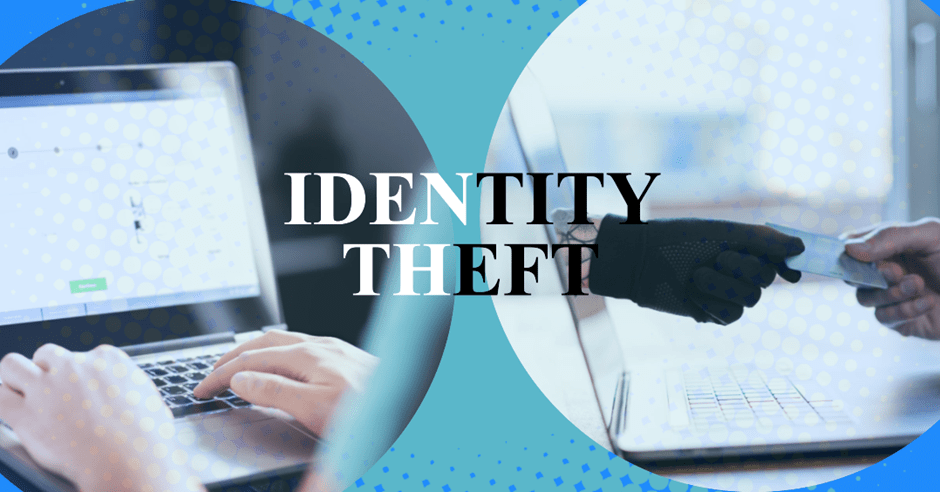
The Rising of Identity Theft
Identity theft has evolved into a profitable criminal organization that targets individuals, corporations, and even government agencies. Cybercriminals use a variety of strategies, including phishing emails and data breaches, as well as social engineering techniques, to get personal information such as social security numbers, credit card information, and login passwords.
Identity Theft Warning Signs
Identity theft can manifest in a variety of ways, so it’s critical to be on the lookout for any unusual or suspect activity that could suggest that your confidential data has been compromised. Here are some common indications of identity theft, with explanations:
Unusual Transactions and Suspicious Accounts:
Unauthorized transactions on your debit or credit card or bank records are one of the most obvious indications. If you see strange charges or withdrawals, especially from places you haven’t visited before, it could mean that someone else is utilizing your bank information. Unknown finances, loans, or credit lines in your name are a warning flag. Monitor your credit reports for any fresh accounts that you did not open.
Missing Emails and Sudden Changes in Credit Scores:
If you unexpectedly stop receiving bills, statements, or other financial records, it could be because a thief has altered your address to intercept vital information. Similarly, receiving emails verifying account changes you did not initiate is a red flag. Identity theft can have a severe influence on your credit score. If you see an unexpected reduction in your credit score, it could be the result of fraudulent activity influencing your creditworthiness.
IRS Notification and Collection Calls:
Receiving a notification from the IRS concerning several tax returns registered in your name or taxes owed when you haven’t paid any taxes can signal that your personal information has been hacked for tax fraud. Unexpected debt collector calls about bills you don’t recognize could indicate bogus accounts formed in your name.
Unknown Medical Bills and Social Media:
Receiving medical bills for services or treatments you did not receive could suggest medical identity theft, which occurs when someone uses your name to obtain healthcare services. If you see unusual behavior on your accounts on social media or email addresses, such as texts you didn’t send or postings you didn’t publish, it could be a clue that your accounts have been hijacked.
Employment Issues and Denied Credit:
If you receive notices from an organization you don’t work for regarding modifications to your employee privileges or compensation, it’s conceivable that your data is being utilized for employment-related fraud. If your loan or credit applications are abruptly declined, it may indicate that your credit record has been compromised as a result of fraudulent activity.
Identity Theft Types
Identity theft can take many different forms, and hackers use a variety of methods to obtain personal information and use it for financial gain or other nefarious objectives. Here are a few instances of prevalent types of identity theft:
Financial Identity Theft:
This is the most prevalent type of identity theft, in which criminals use stolen personal information to gain unauthorized access to financial accounts, credit cards, or other financial resources. They may commit fraud, open new credit lines, apply for loans, or deplete victims’ current bank accounts. This can result in significant financial losses, harmed credit ratings, and a time-consuming process of recovering stolen funds and rebuilding credit history.
Medical Identity Theft:
Medical identity theft happens when fraudsters use another person’s personal information, such as their name, Social Security number, or health insurance information, to obtain medical services, prescription drugs, or even medical operations. This can result in mistakes in medical records, improper billing, and the denial of legitimate healthcare claims. Victims may also experience difficulties accessing appropriate medical care as a result of erroneous data in their records.
Online Identity Theft:
Online identity theft is a type of cybercrime in which bad actors utilize the internet to steal someone’s confidential and private details, generally for financial gain or other harmful goals. Identity theft of this type entails exploiting holes in online platforms and preying on individuals who may not be effectively securing their digital presence.

Detail Guide If Identity Theft Is Suspected
If you believe that you have been a victim of identity theft, you must move quickly and decisively to limit potential damage and preserve your personal information. Here is a comprehensive guide if you suspect identity theft:
Contact Financial Institutions and Act Quickly:
Contact your bank, credit card companies, and any other financial institutions with which you have accounts very away. Inform them of the potential identity theft and request that they keep an eye on your accounts for any unusual activity. First and foremost, keep calm. Identity theft can be unpleasant, but acting quickly might help lessen the effect. The sooner you confront the problem, the better your chances of successfully addressing it
Review Your Credit Reports:
Obtain copies of your credit reports from each of the three credit agencies and carefully check them for any unusual accounts or inquiries. Any unauthorized or erroneous information should be reported to the credit reporting agencies. Report identity theft to the Federal Trade Commission (FTC) at IdentityTheft.gov. This will aid law enforcement officials in their investigations and help you establish a personalized recovery plan.
Monitor Your Accounts and Notify Utility:
Keep an eye on your banking accounts and credit reports for any strange activity. If you discover any unauthorized transactions, notify your bank or credit card company right away. If your personal information has been compromised, notify your utility providers, healthcare providers, and other service providers. To secure your accounts, request additional security measures.
Change Passwords and Keep Records:
Change the passwords on all of your internet accounts, particularly if any of them have been compromised. Use unique, secure passwords for each account and, if possible, activate multi-factor authentication. Keep meticulous records of all interactions, reports, and documents about identity theft. These documents could be important in resolving disputes with creditors and authorities.
Consider Identity Theft Protection Services:
If you’re worried about continuing monitoring and recovery aid, enroll in identity theft protection services, which provide monitoring, alerts, and support in the event of identity theft. Educate yourself on identity theft protection measures and remain attentive in the future to protecting your personal information.
Conclusion
Identity theft is still a serious problem in our increasingly interconnected world. As technology evolves, so do cybercriminals’ techniques. Individuals and organizations, on the other hand, may bolster their defenses against identity theft and create a safer digital world for all by remaining informed, adopting best practices, and cultivating a culture of cybersecurity awareness.
 |DataNudge