Understanding HIPAA Compliance: Healthcare Data Security
DataNudge
August 2023
With the integration of technology in the present digital age, the healthcare industry has undergone a substantial transformation. However, this digital transformation has created new concerns, particularly in terms of patient information security and privacy. To address these concerns and safeguard the security of sensitive healthcare data, the Health Insurance Portability and Accountability Act (HIPAA) evolved as a critical regulatory framework. This cybersecurity blog delves into the fundamentals of HIPAA compliance and its role in protecting patient information.
Understanding HIPAA
The Health Insurance Portability and Accountability Act is abbreviated as HIPAA. It is a comprehensive federal law created in the United States in 1996 with the primary purpose of addressing issues with the privacy, security, and portability of healthcare information. HIPAA established several policies and standards to protect sensitive patient information and improve the efficiency of healthcare operations.
The Importance of HIPAA
The healthcare industry handles a multitude of personal and sensitive patient information, such as medical records, treatment plans, insurance details, and more. If this information is stolen, the ramifications can be disastrous, ranging from identity theft to unauthorized access to medical data. HIPAA was signed into law in 1996 to establish standards for the protection of electronic protected health information (EPHI) and to maintain patient data privacy and security in a fast-changing digital context.
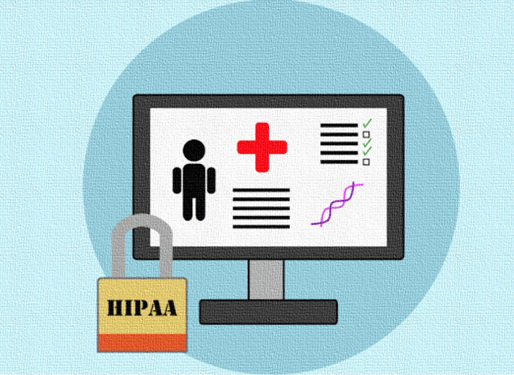
HIPAA’s primary goals are as follows:
Patient Information Privacy and Security:
The HIPAA Privacy Rule creates requirements for securing patients’ medical records and other personal health information (PHI). It limits the use and distribution of PHI without the patient’s permission, ensuring that healthcare organizations handle patient data appropriately and securely.
Electronic Transactions:
HIPAA requires standard formats for electronic healthcare transactions such as insurance claims and benefit eligibility inquiries. This standardization reduces administrative inefficiencies by streamlining electronic communication between healthcare providers, insurers, and clearinghouses.
Health Insurance Coverage Portability
HIPAA assures that individuals can keep their health insurance coverage when changing jobs or going through certain life events. It makes it illegal for health plans to reject coverage or impose pre-existing condition exclusions based on a person’s health status.
Control of Healthcare Fraud and Abuse
HIPAA includes provisions to combat healthcare fraud and abuse by improving the accuracy of information utilized in electronic transactions and claims.
Administrative Simplification
HIPAA’s goal is to standardize electronic transactions, code sets, and unique identities to streamline administrative operations in healthcare. This reduces the number of interactions between healthcare providers, insurers, and patients.
HIPAA’s Role in Cybersecurity
The HIPAA is an important piece of legislation in the field of cybersecurity because it establishes extensive regulations and standards to protect electronically protected health information in the healthcare industry. HIPAA’s function in cybersecurity is multifaceted, focusing on maintaining patient data confidentiality, integrity, and availability while also supporting safe data handling practices.
Key Components of HIPAA
The Health Insurance Portability and Accountability Act is made up of many major components that work together to set standards for the safety of electronically protected health information and to secure the privacy and security of patient information in the healthcare business. Let’s go through each major component in more detail:
Privacy Rule
The rule governing privacy is concerned with protecting people’s medical records and other sensitive health information. It establishes guidelines for how covered organizations (healthcare providers, health plans, and healthcare clearinghouses) and their business associates should handle and preserve electronic protected health information. The following are some significant components of the privacy rule:
Patient Rights: Patients have the right to examine their medical records, request corrections to inaccuracies, and control the disclosure of their information.
Minimum Necessary Standard: Covered organizations should only use and disclose ePHI that is necessary for the intended purpose.
Privacy Practises Notice: Covered entities must give patients a notice outlining their privacy rights as well as how their information will be used and disseminated.
Authorization: To use or disclose ePHI for purposes not protected by the Privacy Rule, covered entities must obtain patient authorization.

Security Rule:
The security rule specifies the technical protections that covered businesses and business associates must be put in place to protect EPHI from unauthorized access, disclosure, and breach. It establishes three types of safeguards:
Administrative Safeguards: Risk assessments, security management processes, workforce training, and the assignment of a security officer to oversee security policies and procedures are examples of such measures.
Physical Safeguards: To prevent unauthorized access to EPHI, physical measures include access controls, facility security plans, and the use of protected workstations and devices.
Technical Safeguards: Access controls, encryption and decryption of EPHI, audit controls, secure authentication systems, and ensuring that EPHI is not manipulated or destroyed are all examples of technical safeguards.
Breach Notification Rule:
The Breach Notification Rule requires covered businesses to quickly report breaches of unsecured ePHI to impacted people, the U.S. Department of Health and Human Services (HHS), and, in some situations, the media. Key components include:
Definition of Breach: A breach is defined as an unauthorized use or disclosure of EPHI that jeopardizes its security or privacy.
Notification Requirements: The covered entities are required to notify impacted individuals and HHS as soon as possible, and they must additionally tell the media if the breach affects 500 or more people.
Enforcement:
HIPAA enforcement is handled by the Office for Civil Rights (OCR) under HHS. To ensure that covered companies and business partners follow HIPAA laws, the OCR investigates complaints and conducts compliance checks. Noncompliance can result in severe penalties, which can grow depending on the extent of negligence and the severity of the offense.
Conclusion
HIPAA compliance is a cornerstone of the healthcare industry’s commitment to patient data security. Healthcare organizations can create a secure environment for patient information by complying with the privacy, security, and breach notification rules, encouraging trust, and ensuring that sensitive data remains private and secure in an increasingly digital world.
 |DataNudge