The Influence of Firewalls on Cybersecurity
DataNudge
November 2023
Safeguarding our digital assets is crucial in the ever-expanding digital ecosystem where the internet links us to the rest of the world. The firewall is one of the most resilient defenses in this cyberwarfare ground. We’ll look at firewalls in this cybersecurity article, including their functions, varieties, and vital role in protecting your online space.
What Is Firewall?
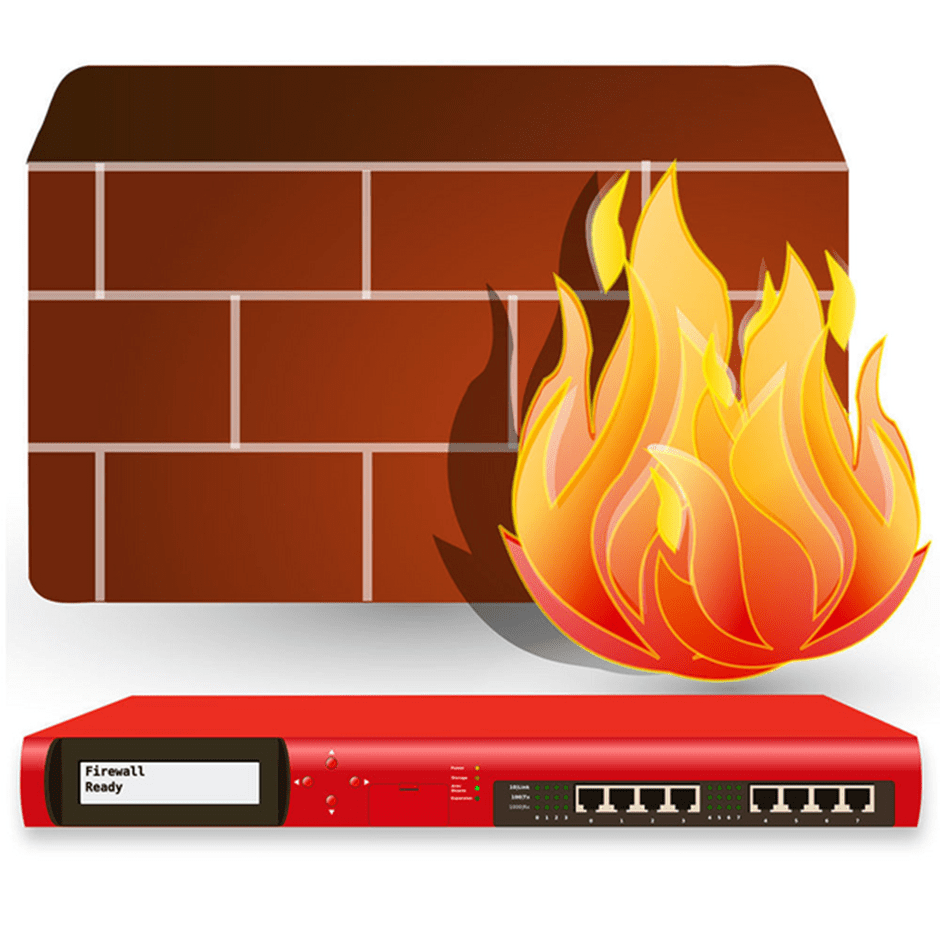
A firewall is a software program or hardware for network security that is used to monitor and manage incoming and outgoing network traffic in accordance with pre-established security rules. It serves as a barrier to stop illegal access, data breaches, and other cyber threats from occurring between an organization’s internal network and external networks, such as the Internet.
In addition to being vital parts of an all-encompassing cybersecurity plan, firewalls are also vital for protecting digital assets. Based on the defined security policies, they evaluate data packets to decide if they should be blocked or let travel through. Network traffic can be filtered by firewalls according to parameters including data content, port numbers, source and destination IP addresses, and more.
Fundamentals of Firewalls
Fundamentally, a firewall is a security system made to keep an eye on and regulate inbound and outgoing network traffic in accordance with previously set security standards inside an organization. It serves as a wall, dividing the huge, unpredictably wide internet from your local network. Firewalls are the first line of defense against unauthorized access and cyber dangers because they carefully inspect data packets to determine whether they should be allowed or refused admission.
They are the guardians of our virtual fortresses, and as cyberattacks get more sophisticated, so too will the powers and significance of these virtual sentinels. Firewalls are still essential in the continuous fight to safeguard our digital domains in this era of information and connection, and their importance cannot be emphasized.
Significance of a Firewall
As the digital gatekeepers that provide the crucial barrier between a reliable internal network and the unpredictably volatile online environment, firewalls are a basic requirement for cybersecurity. Firewalls guard against malware, viruses, and hackers as well as unauthorized access and hostile assaults by examining and screening incoming and outgoing network traffic according to pre-established security rules. In an increasingly linked and insecure digital landscape, they are an essential part of any cybersecurity plan because they preserve the confidentiality, integrity, and availability of digital assets.
Types of Firewalls
Different types of firewalls are suitable for different security requirements. Hardware firewalls that offer perimeter security are available; they are frequently built into network routers. Software firewalls, on the other hand, are a great option for personal computers because they can be installed on individual machines. For increased security, next-generation firewalls (NGFW) combine application-layer filtering and deep packet inspection in addition to the conventional rule-based methodology. Consider intrusion detection and prevention systems (IDPS) as firewalls with sophisticated threat-detecting features. They can react quickly to questionable activity and continuously monitor network traffic.
Functionality of a Firewall
For each data packet that reaches a firewall, a predetermined set of rules and regulations determines what will happen. These rules guide the inspection of data packets upon arrival. A packet is permitted to pass past the firewall if it satisfies the requirements listed in the rule set. It is blocked or placed in quarantine if it doesn’t fit the requirements or is indicated as possibly dangerous. Firewalls have the ability to filter data according to parameters like IP addresses, port numbers, and even the data’s actual content. Because of their proactive nature, firewalls are an essential component of network security.
Defending Your Digital Fortress
It is impossible to overestimate the significance of firewalls in the field of cybersecurity. They offer defense against a wide range of dangers, including malware and viruses as well as hackers trying to break into your network. With the digital world growing and assaults becoming more frequent, having a strong firewall in place is like having a watchful sentinel defending your digital citadel. It’s essential for digital survival, not simply for security. Watch this space for our next posts, where we’ll go deeper into the realm of firewalls and discuss setups, best practices, and how to select the best firewall for your particular requirements.
Best Practices
When combined, these recommended practices make for a strong and reliable firewall approach that improves your network’s security and resistance to a variety of online attacks. It’s critical to customize these procedures to the unique requirements of your company and to be proactive in responding to new security threats and issues. The following are firewall administration and configuration best practices are listed with thorough justifications:
Frequent Inspection and Upkeep of Rules:
Rules and policies that specify how traffic is treated are the foundation upon which firewalls function. It’s critical to periodically evaluate and update these guidelines to make sure they still meet the security requirements of your company. Eliminate pointless regulations, revise outmoded ones, and add new ones if required. Keeping your rule set current lowers the possibility of letting unwanted or maybe dangerous traffic into your network.
Network Zones and Segmentation:
Based on the sensitivity of the systems and data within each security zone, divide your network into many zones. Establish regulations to manage the movement of vehicles between these zones. By using this technique, attackers’ ability to move laterally throughout your network is reduced. A very sensitive database server and a less sensitive web server, for instance, can be kept apart and only necessary communication should pass between them.
Application Layer Inspection:
NGFWs, a type of modern firewall, have the ability to analyze applications at the application layer. This improves the firewall’s ability to recognize and block threats by enabling it to analyze traffic at the application level. Examining application data offers a higher level of security and aids in preventing threats that are concealed within authentic traffic.
Logging and Monitoring:
Turn on logging and ongoing activity monitoring for your firewall. Log data can be very helpful in locating security issues and taking appropriate action. By routinely checking logs, you can identify odd trends or indications of malicious behavior and quickly take the necessary action. This exercise improves your capacity to identify and neutralize dangers.
Redundancy and High Availability:
Because redundancy and high availability setups help guarantee that your firewall keeps running even when hardware malfunctions or other problems arise. Protection is guaranteed continuously with redundant firewall configurations, such as active-passive or active-active settings. For the security and continuity of the network, this is essential.
Patch Management and Software Updates:
Update the firmware and operating system of your firewall with the most recent security patches. Vendors issue fixes to address security vulnerabilities that are always changing. If updates are not applied, your firewall may become vulnerable to known exploits. Sustaining the security posture of the firewall requires regular patch management.
Conclusion
Firewalls are like rock-solid protectors in the field of cybersecurity, defending our online spaces against ever-present cyberattacks. They act as the first line of defense, protecting the integrity of networks and digital assets with their watchful monitoring and rule-based filtering. The threat landscape is constantly changing, and firewalls have developed to keep up. Next-generation firewalls and intrusion detection systems are leading the way in strengthening our digital defenses. As we come to the end of our exploration of the world of firewalls, it is evident that their importance in cybersecurity has not changed.
 |DataNudge