Protecting the Gateway: Boosting Email Security
DataNudge
September 2023
Email is still a crucial medium for communication in the modern digital world, in both personal and professional contexts. But it’s also a top target for fraudsters trying to access confidential data without authorization by taking advantage of flaws. It’s critical to comprehend the significance of email security in order to protect your digital communication and your organization from prospective dangers. The dangers of email, typical threats, and best practices for bolstering your email security defenses will all be covered in this blog.
The Growing Threat Landscape
For cybercriminals, email has emerged as their main attack method. Organizations and individuals are continuously in danger because of phishing, malware-filled attachments, and social engineering techniques that are becoming more common. In the fight against email-based attacks, it is crucial to keep one step ahead of the game as cybercriminals develop their skills.
What Is Email Security?
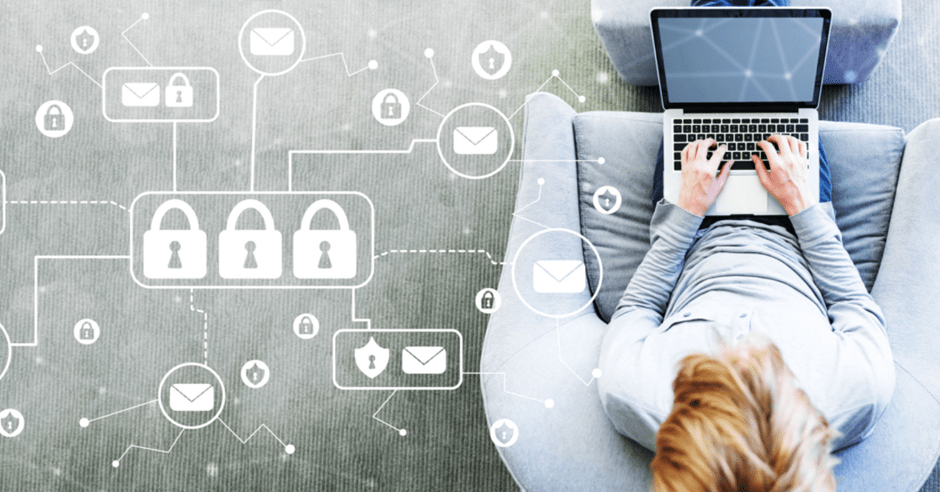
Email security is the safeguarding of electronic correspondence from unauthorized access, online dangers, data breaches, and other types of unwanted behavior. It includes a collection of procedures, tools, and guidelines intended to protect the privacy, accuracy, and accessibility of email communications and the data they contain. Email is still one of the most popular attack channels used by cybercriminals to breach systems, steal sensitive data, and launch phishing and malware attacks. This makes email security measures essential.
Importance of Email Security
Because it serves as a major entry point for cyber threats, email security is crucial in today’s digital environment. It protects against viruses, phishing scams, and unauthorized access to sensitive data while preserving the secrecy of communications and adhering to data protection laws. In order to avoid fraud, preserve confidence, and guard against financial losses, email security is crucial. By offering backup options, lowering operational expenses related to data breaches, and increasing user productivity by screening out undesirable messages, it promotes business continuity. Strong email security measures are necessary for people and organizations to protect data, privacy, and reputation due to the evolution of email-based threats.
Common Email Threats
Different types of cyberattacks and harmful actions that target email systems constitute common email threats. These attacks frequently have the intention of stealing sensitive data, disseminating malware, or scamming people or organizations. Following are some common email threats:
Phishing Attacks:
Phishing is a fraudulent attempt to gain sensitive data, such as login passwords, credit card details, or personal identification, by acting as a reliable entity via email. Phishing emails frequently imitate real companies, carry alluring messages, and include links to fraudulent websites that collect sensitive information.
Malware Attachments:
Email communications that contain attachments that are malware-laden do so. When the receiver opens the attachment, malware is installed on their computer. These emails frequently instruct the recipient to open an attached file, which could be a document, spreadsheet, or executable program, and may look to be from a well-known person or organization.
Business Email Compromise (BEC)
BEC attacks entail hackers pretending to be reliable people, such as corporate leaders or employees, in order to trick their targets into doing things like transferring money or revealing sensitive information. BEC emails are difficult to spot because they are deliberately designed to match the writing style and behavior of the impersonated person.
Spam & Unsolicited Emails:
Spam emails are bulk transmissions of useless, unsolicited communications to a lot of people. Even though not all spam is dangerous, it can clog inboxes and may contain links to malware or phishing websites. Spam emails could promote goods, services, or dishonest offers. Some might make an effort to dupe receivers into disclosing private information.
Email Spoofing:
Email spoofing is the process of changing an email’s header information to make it appear as though it is coming from a different source, frequently a reputable organization. In order to make it simpler for attackers to carry out phishing or fraud, spoof emails may lead users to believe that they are coming from a reliable sender.
Ransomware Attacks:
Attacks by ransomware entail sending malicious email attachments that, when opened, encrypt the victim’s files. For the decryption key, the attacker then wants a ransom. Emails that contain ransomware frequently include urgent notifications and warnings of data destruction if the ransom is not paid.
Social Engineering Attempts:
By taking advantage of psychological manipulation strategies, social engineering attacks trick people into disclosing private information, such as login passwords. In order to persuade recipients to take action, including disclosing sensitive information, these emails may instill a sense of urgency or panic.
Spoofed Password Reset Requests:
Attackers send emails to individuals asking them to change their passwords while posing as a reputable service provider, like a bank or online platform. Users who click the link are taken to a bogus login page where their login information is stolen. These emails take advantage of customers’ worries about security and frequently contain links that go to phony login sites.
Best Practices
Secure email is essential for preserving sensitive data and defending against online threats. Individuals and organizations can lessen their chance of becoming victims of email-based attacks by putting recommended practices for email security into practice. Following are some essential best practices:
Use Strong Authentication:
Implement multi-factor authentication (MFA) for email accounts to provide strong authentication. MFA increases security by requesting two or more forms of identification from users before giving access. For email accounts, use solid, one-of-a-kind passwords. Uppercase and lowercase letters, numbers, and special characters should all be used in your passwords. Useless information like birthdays or frequent nouns should be avoided.
Encryption:
Implement encryption technologies for email communication, such as Transport Layer Security (TLS). This guarantees secure email transmission between sender and recipient. Use technologies and services for end-to-end email encryption. These approaches encrypt the email message’s contents so that only the intended receiver can decipher them.
Email Filtering:
To automatically detect and quarantine suspicious or unsolicited emails, use effective spam filters and email filtering systems. Set up filters to classify and order incoming emails according to the sender’s reputation and the content. Use a secure email gateway to scan all incoming and outgoing emails for malware, phishing scams, and other risks before they are delivered to the inbox. Make sure the SEG has the ability to analyze and detect threats in real time.
User Education and Information:
Inform users about phishing, social engineering, and email security risks. The emphasis of training should be on identifying suspicious emails and staying away from harmful links and dubious files. Provide staff with regular security awareness training to keep them up to date on new risks. To ensure that crucial email data can be recovered in the case of a ransomware attack or data loss, regularly back up vital email data
Patch Management:
Update email clients and servers with the most recent security patches. Attackers frequently take advantage of email software flaws. To exchange files, use secure file-sharing applications as opposed to emailing sensitive documents as attachments. Create a plan for handling events involving email security that explains procedures. Identifying, reporting, and mitigating email-related dangers should all be part of this approach.
Conclusion
Email security is a continuous commitment to protecting your digital communication, not a one-time activity. Organizations and individuals must continuously be on guard against evolving cyber dangers. You can effectively defend against email-based attacks and safeguard sensitive information by putting in place strong email security measures, increasing user awareness, and keeping up with new threats. Remember that proactive defense and ongoing adaptability to the always-shifting threat landscape are
 |DataNudge