DLP-The Key to Keeping Your Data Secure
DataNudge
November 2022
Data Loss Prevention (DLP) is a critical component of modern cybersecurity, designed to prevent sensitive information from being leaked accidentally or on purpose. Organizations face an increased risk of data breaches and information theft in today’s digital age, which can have serious consequences for both the organization and its customers. DLP solutions work by monitoring, identifying, and preventing sensitive information from being intentionally or unintentionally transmitted outside the organization. This includes not sending sensitive data via email, uploading it to the cloud, or transferring it via USB drives or other removable storage media.
What Is DLP?
Data Loss Prevention or DLP is a collection of tools, technologies, and processes that are designed to detect, monitor, and protect sensitive data from unauthorized access, use, transmission, and theft. This entails monitoring and controlling data access and movement both internally and externally when data is sent outside the organization. DLP’s goal is to reduce the risk of a data breach while also protecting sensitive information such as personal information, financial data, and confidential business information.
Why Is DLP Important for Industrial Organizations?
DLP is required because organizations generate and store a large amount of sensitive information that must be safeguarded against unauthorized access, use, transmission, and theft. Personal information, financial data, and confidential business information are all examples of sensitive data. Financial losses, reputational damage, and loss of customer trust are all possible outcomes of a data breach.
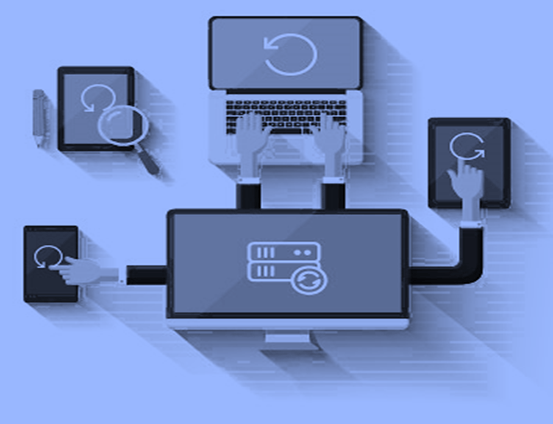
Overview of The Industrial Sector’s Data Security Challenges
These challenges highlight the importance of industrial organizations implementing comprehensive data loss prevention strategies that address the risks posed by the aforementioned challenges and provide effective data loss protection. Here are some of the major challenges that the industrial sector faces in terms of data security and loss prevention:
1) Legacy Systems
Many industrial organizations continue to rely on older systems, which may lack the necessary security features or are incapable of supporting newer security technologies.
2) Sensitive Data and Multiple Devices
Industrial organizations frequently deal with sensitive data such as trade secrets, confidential business information, and employee and customer personal information. Multiple devices, both on-premise and remote, pose new security challenges and increase the risk of data loss.
3) Complex Supply Chain
Complex supply chains in industrial organizations frequently involve the exchange of sensitive information with third-party partners, increasing the risk of data breaches and data loss.
4) Human Error and Insider Threats
Data loss caused by human error, such as sending sensitive information to the wrong recipient, continues to be a major threat to data security. Insider threats pose a significant risk to industrial organizations, whether malicious or unintentional.
Key Capabilities of DLP
DLP solutions can also be combined with other security technologies like firewalls, antivirus software, and intrusion detection systems to provide a complete security solution. This enables organizations to detect and respond to potential data breaches in real-time, lowering the risk of information theft and ensuring the security of sensitive data. DLP works within an organization by identifying, monitoring, and controlling sensitive data. The main steps in how DLP works are as follows:
1) Data Discovery
DLP solutions discover and identify sensitive data using a variety of techniques such as keywords, regular expressions, and file types. Organizations, for example, can define which types of data are considered sensitive and develop policies for how that data is used, shared, and stored.
2) Data Classification
The sensitive data is then classified based on its sensitivity level and the potential impact of a data breach. Organizations, for example, can define which types of data are considered sensitive and develop policies for how that data is used, shared, and stored.
3) Data Monitoring and Control:
DLP solutions monitor and control sensitive data access and movement both internally and externally. This includes preventing unauthorized access, encrypting sensitive data when transmitted outside the organization, and controlling sensitive information sharing with third parties.
4) Data Loss Incident Detection and Response
DLP solutions detect and respond to potential data loss incidents like sending sensitive data to unauthorized email addresses or copying sensitive data to removable storage devices.
5) Compliance
DLP solutions can assist businesses in meeting regulations and industry standards such as the General Data Protection Regulation (GDPR) and the Payment Card Industry Data Security Standard (PCI DSS). These regulations require businesses to take specific steps to protect sensitive data, and DLP solutions can assist businesses in meeting these requirements while avoiding costly penalties.
Common Data Loss Scenarios in Industrial Organizations
These scenarios highlight the importance of industrial organizations implementing comprehensive data loss prevention strategies that address the risks posed by these scenarios and provide effective data loss protection. These are some of the most common data loss scenarios encountered by industrial organizations:
1) Data Theft by Insiders
Employees, contractors, or third-party partners who have access to sensitive information may steal it for personal gain or malicious purposes.
2) Accidental Data Leakage
Unintentional data leaks can occur as a result of human error, such as sending an email to the wrong recipient or incorrectly configured data-sharing settings.
3) Malicious Cyber Attacks
Cybercriminals may target industrial organizations in order to steal sensitive information or hold data hostage for ransom.
4) Data Loss During Transfers
Due to technical issues or human error, data can be lost during transfers between devices, systems, or cloud storage.
5) Data Loss Due to Unsecured Devices
Unsecured devices, such as laptops, smartphones, and USB drives, can be lost or stolen, resulting in the loss of sensitive information stored on those devices.
Best Practices for Implementing DLP in Industrial Organizations
When these best practices are combined, they can assist industrial organizations in effectively preventing data loss and protecting sensitive information. The following are the most effective methods for implementing Data Loss Prevention (DLP) in industrial organizations:
1) Risk Assessment
To identify and prioritize sensitive information and potential data loss scenarios, a comprehensive risk assessment should be performed.
2) Implementation of Security Solutions
Based on the results of the risk assessment, appropriate security solutions, such as encryption, access controls, and data backup and recovery solutions, should be implemented.
3) Regular Monitoring and Maintenance
DLP systems and processes should be monitored and maintained on a regular basis to ensure that they remain effective and up to date.
4) Training and Awareness Programs
To reduce the risk of data loss, employees and contractors should be trained on the importance of data security and the proper use of DLP solutions.
5) Regular Testing and Drills
To assess the effectiveness of DLP systems and to identify and address any gaps or weaknesses, regular testing and drills should be performed.
Benefits of DLP
DLP offers organizations a comprehensive solution for safeguarding sensitive data and reducing the risk of a data breach. Implementing a DLP solution can assist organizations in safeguarding their valuable assets, increasing productivity, and enhancing customer trust. Implementing a Data Loss Prevention (DLP) solution in an organization has several advantages, including:
1) Protection of Sensitive Information
DLP protects sensitive information from unauthorized access, use, transmission, and theft, such as personal information, financial data, and confidential business information.
2) Minimization of Data Breach Risk
DLP reduces the risk of a data breach by monitoring and controlling sensitive data access and movement, detecting and responding to potential data loss incidents, and encrypting sensitive data when it is transmitted outside the organization.
3) Increased Productivity
DLP can help organizations increase productivity while lowering the costs associated with data breaches and regulatory fines by preventing data loss incidents and ensuring regulatory compliance.
4) Improved Customer Trust
By demonstrating a commitment to privacy and security, you can help build customer trust and improve customer relationships.
5) Better Data Management
DLP can help organizations improve data management by providing visibility into the flow of sensitive information within their organization and assisting them in identifying areas where data protection can be improved.
Conclusion
DLP is a critical component of modern cybersecurity, providing organizations with the safeguards they require to protect sensitive data from potential data breaches. DLP can help you safeguard sensitive data, meet compliance requirements, and reduce the risk of information theft whether you are a small business or a large enterprise.
 |DataNudge