Ensuring Cybersecurity in a Digital Sky: Navigating the Cloud
DataNudge
October 2023
Cloud computing has become a shining example of modern technology in the wide digital universe. It promises unprecedented levels of adaptability, scalability, and accessibility, but these benefits come with a pressing need for strong cybersecurity. This blog will take you on a tour through the cloud as we examine the crucial cybersecurity issues, problems, and best practices that businesses must adopt to protect their digital assets in the virtual world of the cloud.
Understanding Cloud Computing
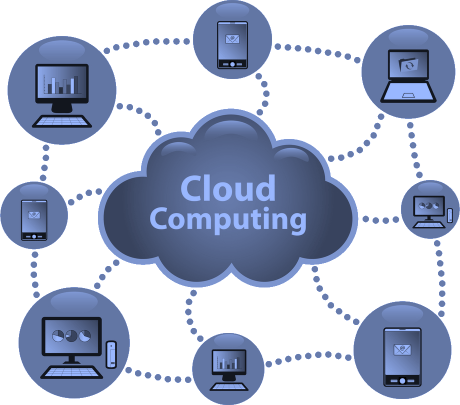
The distribution of multiple services, such as storage, processing, networking, and applications, over the internet is known as the “cloud computing” paradigm of computing. Through the utilization of remote data centers run by cloud service providers, users can access and use these resources whenever they need them, rather than having to own and maintain physical gear and software on-site.
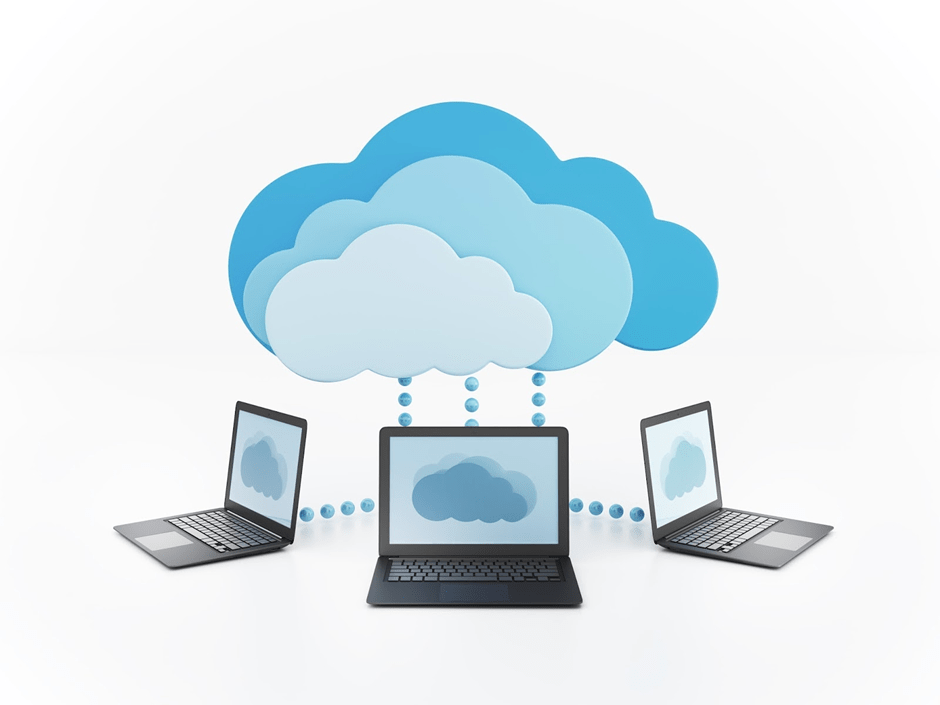
Numerous important benefits of cloud computing include:
- On-Demand Service: This type of service allows users to scale up or down as needed while only paying for the resources they use.
- Resource Pooling: To serve several customers, cloud service providers pool their computer resources. This enables them to effectively distribute and maximize these resources.
- Self-Service: Through web interfaces or APIs, users can autonomously manage and configure cloud resources without a provider’s assistance.
- Broad Network Access: A range of devices, including computers, cellphones, and tablets, can access cloud services over the internet.
- Metered Cloud Utilization: Users may monitor and manage their resource and cost utilization thanks to this service’s metered cloud usage.
Due to its accessibility, affordability, and flexibility, cloud computing has completely changed the IT environment. It now serves as the base for many different technologies. Several service models can be used to categorize cloud computing, including:
- Infrastructure as a Service (IaaS): Provides virtualized computing resources such as virtual machines, storage, and networking through IaaS.
- Platform as a Service (PaaS): PaaS provides a platform for creating, testing, and deploying applications. It contains operating systems, development tools, and databases.
- Software as a Service (SaaS): SaaS delivers software programs over the internet, doing away with the requirement for local software installation and upkeep on the part of the user.
Applications for cloud services can be found in a wide range of sectors, including business, education, healthcare, and entertainment, there are other techniques to install cloud computing, including:
- Public Cloud: Resources are shared among many users and are housed on infrastructure that is owned and maintained by independent cloud service providers.
- Private Cloud: Resources can be hosted on-premises or by a third-party provider and are devoted to a particular organization.
- Hybrid Cloud: Data and applications can be transferred between public and private clouds thanks to hybrid clouds, which combine elements from both types.
Importance of Cloud Computing
The purpose of cloud computing is to give businesses online access to a variety of computing resources and services. These resources, which can be provisioned and scaled on demand, include storage, processing power, networking, databases, and applications. By reducing the requirement for on-premises infrastructure, cloud computing helps businesses save money while gaining scalability, flexibility, and agility. It has developed into a crucial piece of technology for businesses wishing to update their IT infrastructure, boost teamwork, and swiftly roll out applications all while outsourcing infrastructure management and maintenance to cloud service providers.
Embracing the Cloud
More than merely a technological revolution, the move to cloud computing represents a fundamental transformation in how businesses run. This area allows for the service delivery of servers, storage, databases, networking, software, and analytics, frequently on a pay-as-you-go basis. Because of this adaptability, company operations have undergone a revolution, becoming more flexible, efficient, and interconnected on a global scale. However, the attractiveness of the cloud needs to be balanced with knowledge of its security concerns.
The Cybersecurity Landscape
Cybersecurity is undergoing a paradigm change thanks to the cloud. In contrast to conventional internal data centers, the cloud uses a shared responsibility approach. Customers are in charge of protecting their data and applications, while cloud providers are in charge of protecting the infrastructure. Due to this division of responsibilities, businesses must set up strict security protocols for their cloud instances.
Challenges and Considerations
While cloud computing has many advantages, it also has several drawbacks and issues that need to be addressed by businesses if they want to successfully adopt and use it. Businesses must carefully plan their use of the cloud, taking into account the particular requirements of their industry, their data, and their users. Here are some major issues and factors in further detail:
Data Privacy and Security:
Since organizations must have faith in cloud providers to protect their data, storing sensitive data in the cloud may cause data security problems. Compliance with data privacy laws, such as the GDPR in Europe or HIPAA in the healthcare industry, is essential. Businesses need to confirm that their cloud provider abides by these rules. Cloud services charge based on usage, but without adequate management, costs can rise quickly. Spending on the cloud should be tracked and optimized by businesses.
Data Loss and Recovery
Data loss can be caused by several things, such as hardware malfunctions, mistakes made by people, or cyberattacks. Organizations must put strong data backup and recovery plans into place. By establishing RTOs (Recovery Time Objectives) and RPOs (Recovery Point Objectives), you may guarantee prompt recovery from disasters or outages and little data loss. One of the most important security considerations is ensuring that only authorized users or apps can access cloud resources. It’s crucial to manage privileged accounts and make sure they’re shielded from unauthorized access.
Legal and Compliance Considerations:
Businesses in regulated sectors must confirm that their cloud provider abides by rules and guidelines particular to their sector. It is crucial to establish legal jurisdiction over cloud-stored data. varying areas or nations may have varying legal requirements for the data they store. Organizations must use tools for orchestration and automation because managing resources across many cloud environments can be difficult. An important factor to take into account is achieving consistency in security, policy, and operations across hybrid and multi-cloud systems.
Lock-In of Vendors:
It may be difficult for businesses to switch to another cloud provider if they grow dependent on the proprietary technology of a particular provider. Organizations should have a clear exit strategy that explains how data and apps can be migrated to a different provider or brought in-house to reduce vendor lock-in. In environments with several tenants, user resource sharing can have an influence on performance during periods of high consumption. A successful cloud strategy depends on the ability of various cloud services and platforms to operate together without interruption.
Threats to Security:
Cybercriminals find cloud environments to be appealing targets. To protect their data, organizations must put strong security measures in place. Attacks known as denial of service (DoS) can hurt the availability of cloud-based applications and services. The performance of real-time applications can be impacted by latency, which can be introduced by the physical distance between cloud servers and end users. Moving data from on-premises to the cloud or between cloud providers can be difficult and requires careful planning.
Best Practices
Protecting data and resources in cloud settings requires following best practices for cloud security. Here are a few crucial techniques in further detail:
Access Management:
Encrypt data both at rest (while it is stored) and in transit (during transmission). This guards against listening in and secures data even in the event of unauthorized access. Protect encryption keys by using sound key management procedures. This features safe key storage and routine key rotation. To restrict access to resources, assign permissions based on employment positions or responsibilities. To improve identity verification, MFA should be required for access to key accounts.
Network Security:
Utilise virtual private clouds to separate network resources and regulate traffic between them for network security. Use firewalls at the network level to filter both incoming and outgoing traffic. To avoid unauthorized disclosure, classify and inspect data using data loss prevention technologies. Establish and implement policies that outline the proper handling of sensitive data. Always keep security patches up to date on all cloud resources, including virtual machines and containers, to address vulnerabilities.
Incident Response:
To identify shady activity and security incidents, implement reliable recording and monitoring systems. Create an incident response strategy that describes what to do in the event of a security breach. To speed up the update procedure, use automated patch management systems. To avoid data loss in the case of failure or data corruption, schedule regular backups of your data and apps. To make sure backup and recovery procedures are effective, test them periodically.
Vendor Due Diligence:
Do your homework on cloud service providers to make sure they adhere to your security and compliance standards. Negotiate service-level agreements that outline the cloud provider’s obligations for performance and security. Detailed audit trails of actions in your cloud environment can be created by turning on auditing features and used for compliance reporting. Ensure that cloud operations adhere to the regulations that are relevant to your industry.
Resource Division:
Use micro-segmentation to segregate workloads and restrict lateral movement in the event of a breach. To increase security, use containerization to encapsulate programs and their dependencies. To enhance understanding of cloud-specific hazards and best practices, give personnel security training. Inform staff members of the dangers of social engineering and phishing assaults. To find weaknesses and areas for improvement, conduct recurring security audits and assessments.
Design of Cloud Architecture:
Create cloud architecture using a defense-in-depth approach that makes use of various security control levels. Workload isolation is important for reducing the blast radius in the event of a security incident. Utilise cloud security posture management technologies to continuously evaluate cloud setups and implement security regulations. To impose security rules and manage data access in cloud applications, deploy cloud access security brokers.
Conclusion
Organizations now have access to previously unimaginable possibilities thanks to cloud computing, but these benefits also present cybersecurity challenges. Understanding that cybersecurity is more than simply a worry as we go through the digital sky is essential. It’s part of the cloud adventure. Organizations may benefit from the cloud while ensuring that their data is secure in the constantly changing digital cloud landscape by implementing strong security measures and following best practices.
 |DataNudge